As a former amateur welterweight turned MMA gym programmer, I’ve spent over 12 years watching fighters grind through camps, cornering athletes, and managing sparring sessions labeled right there on the whiteboard: “Smokers Only,” “Heavy Sparring Wednesday,” “Deload Week 4.” Throughout this time, one thing has become crystal clear—no supplement, including CBD, replaces quality sleep when it comes to recovery in fight camp.
Let’s dig into the tough truths around sleep vs supplements, understand why recovery basics havestood the test of time, and clear up the fantasy of a “magic pill.” With specific references to batch-specific lab reports (COA-style documentation for your CBD products, please) and practical camp planning tools, we’ll lay out the facts and give you the no-fluff approach to optimizing recovery in MMA training.
MMA Training Volume vs Recovery Capacity
Training volume in a fight camp ramps up progressively over weeks, often peaking around week four or five before a deload or taper. Sparring, strength, conditioning, skill drills, and cutting weight all compete for your body's finite recovery resources.
Here’s the reality: Regardless of how many recovery aids you pile on, your recovery capacity is limited. This is why a whiteboard that clearly marks sparring days, touch-and-go drilling, and rest helps ground expectations for how much workload the body can handle without crashing.
Whiteboard Planning: Why It Matters
- Visual Tracking: Listing heavy sparring days allows the athlete, coach, and support staff to anticipate peak fatigue points. Recovery Scheduling: You can plan rest or active recovery days immediately after these sessions. Sleep Emphasis: Knowing when the hard days are highlights when sleep becomes non-negotiable to consolidate motor learning and physical adaptation.
Without this concrete plan outlined in front of you, it’s easy to add sessions willy-nilly, ramp workload blindly, and overestimate what supplements like CBD can do for you.
Sleep as Adaptation and Motor Learning
Sleep isn’t just rest. It’s a critical period where your brain and body process what you worked on during the day. Motor skills, fight strategy, and endurance adapt and consolidate largely during specific sleep stages—especially slow-wave and REM sleep.
CBD, touted by some as a “recover-aid,” may help with relaxation or anxiety. But it doesn’t replace:
Physiological tissue repair during slow-wave sleep late night sparring Skill and memory consolidation during REM sleep Hormonal balance that regulates recovery metabolismThis aligns with batch-specific lab reports (Certificates of Analysis, or COAs) that you should check before buying CBD. A consistent and verified product might help with minor symptom relief, but it won’t turn you into a one-sleeper dyno during camp.
Why Checking Lab Reports (COAs) is Crucial
COAs ensure the product contains what it claims (specific cannabinoids, zero THC if that’s your regulation), and is free of contaminants. A low-quality or inconsistent product might blunt sleep even more or have no effect at all. In a regulatory environment where commissions differ (UFC rules don’t apply everywhere), understanding your supplement contents isn’t optional—it’s mandatory for safety and legality.
Week Four Fatigue and Sleep Debt: Where Camps Crash
By week four of most fight camps, state athletic commission thc testing training volume and intensity peak to develop fight readiness. What usually gets overlooked? Sleep. Chronic sleep debt accumulates quietly but mercilessly, and that's where many camps fail.
Week Training Load Common Recovery Issue Sleep Focus Week 1 Baseline Workload, Skill Focus Low Fatigue, Minimal Sleep Debt Establish consistent sleep schedule Week 2-3 Increased Conditioning, Sparring Days Added Building Fatigue, Sleep Needs Increase Prioritize 7-9 hours, avoid late caffeine/alcohol Week 4 Peak Intensity, Heavy Sparring High Fatigue, Accumulated Sleep Debt Strict sleep hygiene critical, naps if needed Week 5 (Deload) Reduced Volume/Intensity Starting to Recover from Sleep Debt Focus on sleep quality, recovery routinesBy the time week four fatigue hits, it can’t be “fixed” with a few CBD drops or any supplement. You win or lose here depending on sleep management.
Deload Placement Before the Crash: The Strategic Rest Week
A deload week—properly timed before you hit the wall—is your best ally in recovery. The idea isn’t to suddenly sprint through camp ignoring fatigue then try to patch it with supplements; it’s to proactively reduce load and reset your recovery capacity.
- When to deload? Schedule it right before the week-four crash zone. What to do? Cut down volume by 40-60%, reduce or eliminate sparring, and focus on mobility and technique. Sleep during deload: Treat this like peak sleep training—aim for 8-10 hours if possible, establish wind-down routines.
This simple but often ignored planning beat any “magic pill” approach. The no-magic-pill truth is that your body responds first and foremost to rest, and no CBD tincture or gummy will bypass basic physics of recovery.
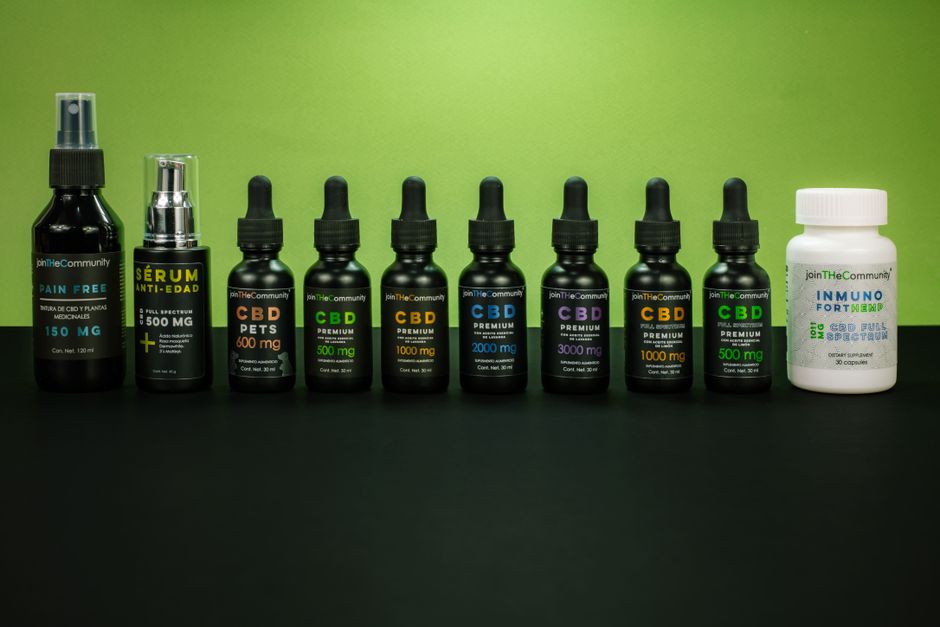
Wrapping Up – No Magic Pill for Recovery, Just Boring Things That Work
A whiteboard list of “boring things that work” includes:

CBD might have a place in calming pre-bed anxiety or muscle tension, but it’s an accessory—not the engine of recovery. Ask yourself: What happens at 10:30 pm after sparring? If you’re on your phone, wired on caffeine, or chugging random supplements without sleep, no pill will save your camp.
Key Takeaways
- Sleep is the cornerstone of adaptation, motor learning, and physical repair in fight camp. Supplements like CBD do not replace sleep but can be tools when quality and dosing are consistent. Tracking workload on a whiteboard and scheduling a deload week proactively manages fatigue and sleep debt. Batch-specific lab reports (COAs) ensure you know what’s in your CBD, avoiding surprises or legality issues. There is no magic pill—prioritize recovery basics every week for fight camp success.
Remember, boring things that work steadily build your foundation. Sleep, planning, and discipline win fight camps—not the latest supplement hype.
Train smart, sleep smart, and fight hard.