If you are a parent or primary caregiver, your day is governed by school runs, nap times, and the unpredictable nature of childcare. Trying to squeeze a General Practitioner (GP) appointment into this schedule often feels like solving a complex puzzle with missing pieces. For years, the standard process involved queuing on https://erone.co.uk/how-digital-healthcare-platforms-are-changing-patient-access-across-the-uk/ the phone at 8:00 AM, taking time off work, and arranging childcare just to sit in a waiting room.
The rise of the virtual consultation—a remote medical appointment conducted via video call or telephone—aims to change this. But does it actually help, or does it just add more digital administration to your plate? Let’s look at the reality of virtual consultation flexibility and how it impacts your day-to-day healthcare access.
The Shift from Phone Queues to Online Appointment Booking
The most immediate benefit of modern healthcare platforms isn't the video call itself; it’s the administrative change. Many clinics have shifted toward an online appointment booking system integrated directly with their Electronic Health Record (EHR) systems—the digital files where your medical history is stored.
For a parent, this is a tangible change. Instead of waiting on hold for twenty minutes while your toddler pulls at your leg, you can log into a secure portal during a quiet moment—perhaps after the kids are in bed or during a nap. You see the doctor’s availability in real-time, select a slot, and receive an instant confirmation.
Why "Real-Time" Actually Matters
- Reduced Anxiety: You know your appointment is confirmed. You aren't guessing if you'll get through on the phone. Asynchronous Management: If you realize your child has a school event, you can reschedule your slot online without needing to call the clinic's receptionist. Clear Paper Trails: Automated email or SMS (Short Message Service) reminders mean you’re less likely to miss an appointment amidst the "brain fog" of parenting.
Virtual Consultation Flexibility: Is It Realistic?
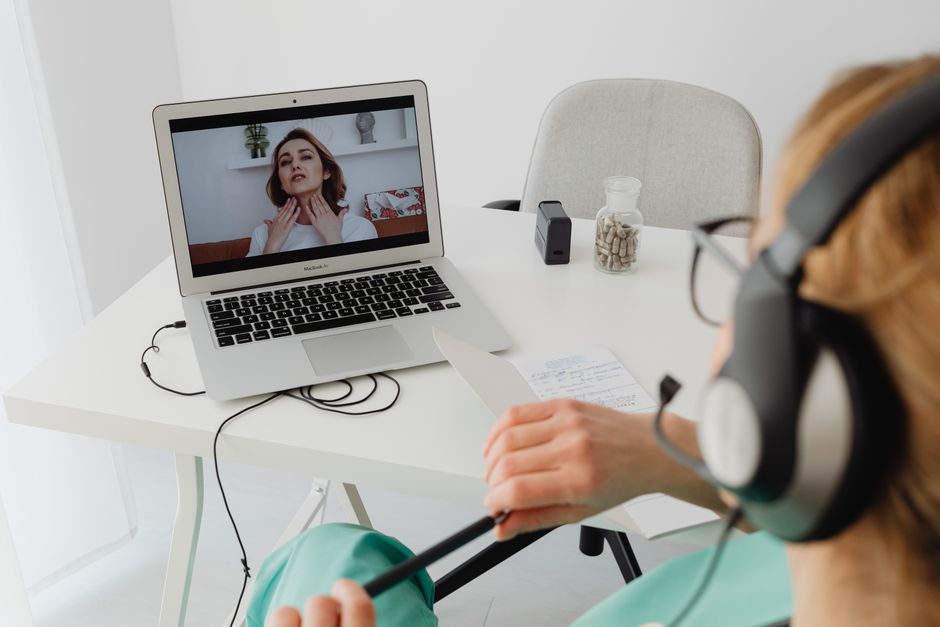
It is important to be clear: a virtual consultation is not a magical fix for every medical need. However, for follow-ups, medication reviews, or discussing non-urgent symptoms, the flexibility is undeniable. You can conduct a video consult from your kitchen table, which removes the need to secure a babysitter or haul a grumpy child to a clinical environment.
Does the technology actually work? In my experience watching clinic demos, the user interface (UI) is increasingly simplified. Most platforms now use "browser-based" video, meaning you don’t need to download clunky software. You click a link in your email or portal, and the call begins. It is designed to be low-friction for people who don't have time to troubleshoot tech issues.

Centralized Platforms: Your New Patient Dashboard
The true "quality of life" upgrade for parents is the centralized Patient Portal (PP). This is the hub where all your medical information lives. Instead of calling to ask for lab results or trying to remember when you were last prescribed a certain medication, you have a dashboard.
These portals often include:
- Secure Messaging: A way to send non-urgent queries to your healthcare team without needing an appointment. Document Repositories: Access to letters, referral documents, and test results at any hour. Medication Lists: A clear view of what you or your dependents are currently taking, which is vital for pharmacy renewals.
When you have childcare responsibilities, these portals allow you to manage your family’s health on your own timeline. You aren't beholden to the clinic's opening hours or their busy switchboard.
Comparing Traditional vs. Virtual Care
To help you decide when a virtual option is right for you, I’ve broken down the practical differences below. This table focuses on the "real world" experience of a parent.
Activity Traditional In-Person Virtual Consultation Booking Phone queue, limited hours 24/7 online portal Travel Commute + parking + waiting time None Childcare Required None (usually) Documentation Paper copies Digital dashboard access Privacy Clinical setting Home environment (requires prep)Patient Reality Check: What to Watch Out For
I have sat in on enough platform demonstrations to know that providers love to talk about "innovation." As a patient, you should ignore the marketing speak and focus on these practical hurdles:
1. The "Interruptible" Environment
While doing a consult from home is convenient, it can be interrupted. Be honest with your clinician at the start of the call. Saying, "I have my children with me, so I might need to step away for a moment if someone gets upset," is perfectly acceptable. Most GPs are parents too; they understand the reality of your situation.
2. The Limitation of Remote Exams
A virtual consultation cannot replace a physical examination. If you have a concern that requires listening to a chest, feeling a lump, or checking a physical injury, a video call might just be the first step. You may still be asked to come in. This isn't a failure of the tech; it is appropriate medical safety. Don't be frustrated if the clinician suggests an in-person follow-up.
3. Digital Literacy and Access
Not everyone wants to use a portal. If you are struggling with a complex login process, call the clinic and tell them. A good patient education team will provide clear, jargon-free instructions. If they can’t, that is a reflection of the clinic’s service, not your ability to use technology.
How to Make Virtual Consultations Work for Your Family
If you want to move away from the phone-queue struggle, follow these steps to prepare:
Check your portal access: Ensure you have your login for the Patient Portal (PP) sorted *before* you are unwell. Test it once to ensure it works. Use the messaging feature: If the clinic offers secure messaging, use it for administrative tasks (like chasing a referral letter) so you don't use up a slot that could be used for a medical query. Prepare your space: Have a pen and paper ready. When you're distracted by kids, it’s very easy to forget the specific advice the GP gives you. Write down the "next steps" immediately after the call ends. The "Video-Ready" Checklist: Ensure your phone or laptop is charged and you have a stable Wi-Fi connection. If the connection is poor, it causes frustration and wastes time you don't have.Conclusion
Do virtual consultations help with childcare responsibilities? Yes, but not because they are "the future of medicine." They help because they align healthcare access with the way we live the rest of our lives: digitally, on-demand, and with the ability to manage tasks outside of traditional 9-to-5 working hours.
If your clinic offers these tools, use them. They are designed to save you the one thing you can't get back: time. By shifting your administrative tasks to an online appointment system and utilizing a central dashboard for your records, you remove the unnecessary friction from managing your health. You still have the same medical needs, but you no longer have to sacrifice your entire morning to address them.
Keep your expectations grounded, use the portal tools to your advantage, and don’t be afraid to tell your clinician if the digital route isn't meeting your needs. Real, patient-centered healthcare should fit your life, not the other way around.