I’ve spent nine years sitting behind players in collegiate esports centers and tournament green rooms. I’ve seen the same story play out a thousand times: a player grinds 14 hours of Rainbow Six Siege, hits a wall on the Ranked ladder, and decides the solution is to queue just one more game. They’re tired, their aim is jittery, and their decision-making is reactive rather than proactive.
When I ask them, "What does this look like on a normal Tuesday night?" they usually describe a chaotic loop of caffeine, blue light, and chasing that one final win to "end on a high note." Spoiler: the "high note" never comes when your brain is fried. Let’s talk about why your recovery is the most important part of your r6marketplace.it.com training regimen, and why sleep is non-negotiable for skill development.
The Science of Learning Consolidation
There is a dangerous myth in the gaming community that "grinding" is the only path to improvement. We treat sleep like it’s wasted time—time where you aren't clicking heads or learning map callouts. Science says the exact opposite.
When you practice flick shots or crosshair placement, you aren't just building "muscle memory." You are forming neural pathways. This process, known as learning consolidation, happens primarily while you sleep. Think of your brain like a massive Rainbow Six Siege server that needs a daily restart to clear the cache. If you never shut it down, the memory leaks lead to performance degradation.
During REM and deep sleep cycles, your brain plays back the experiences you had during the day. It takes the rough, error-prone practice you did in the Ranked ladder and stabilizes those patterns into reliable motor skills. Without adequate sleep, that muscle memory sleep connection is severed. You aren't getting better; you’re just reinforcing sloppy habits.
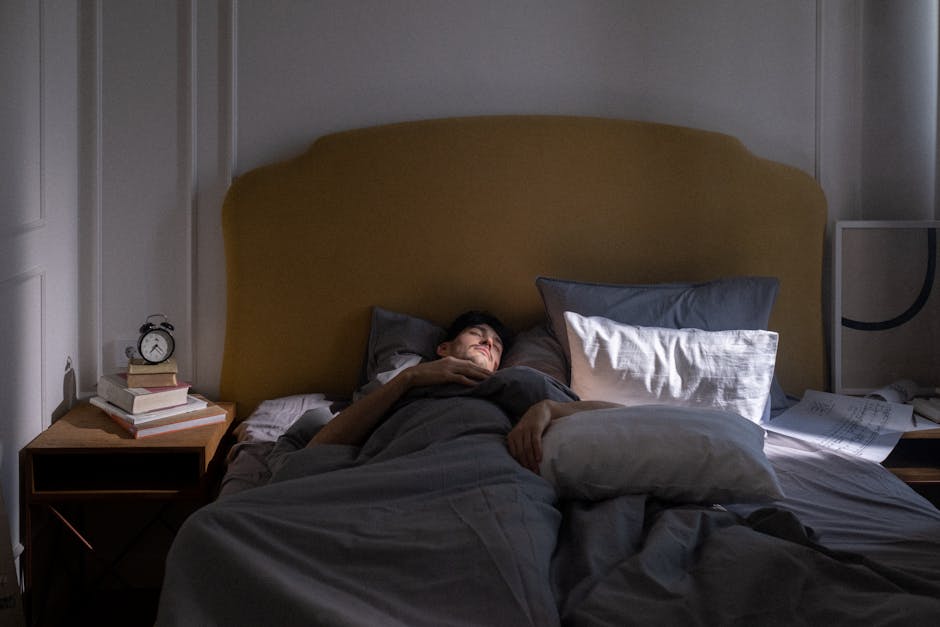
Fatigue and the "Brain Lag" Factor
If you aren't hitting your sleep targets, your performance isn't just slightly off—it’s compromised. The Centers for Disease Control and Prevention (CDC) has long noted that sleep deprivation mimics the effects of alcohol impairment on reaction time and judgment.
In a high-stakes Tournament environment, that quarter-second difference is the difference between a successful plant and a round loss. Fatigue kills your ability to:
- Predict enemy movement patterns. Maintain emotional control when things go south (tilt-control). Accurately track multiple angles simultaneously.
When you are fatigued, your prefrontal cortex—the part of the brain responsible for high-level decision-making—shuts down. You stop playing smart and start playing scared. You become a reactionary player rather than a proactive one.
Building Your Recovery Architecture
Stop looking for "performance boosters" in a bottle. I’ve seen players spend hundreds on supplements while refusing to fix their 2:00 AM bedtime. While products like those from Joy Organics might help some players settle their nerves after a high-stress lobby, they are not a substitute for a genuine biological recovery plan. You cannot supplement your way out of a broken lifestyle.
Here is how to structure your recovery like a professional. Stop thinking in terms of "getting 8 hours" and start thinking in terms of 90-minute cycles.

The Tuesday Night Audit
Again: What does this look like on a normal Tuesday night? If you are still in your chair at 1:00 AM trying to force a win streak, you are actively undoing the work you did at 6:00 PM. Follow this checklist to ensure your skill development isn't going to waste:
The 60-Minute Buffer: Stop all competitive gaming 60 minutes before bed. This is not "wasted time"; this is when your brain begins the transition to consolidation. Input Control: No more high-intensity information. Put the phone away. If you need to wind down, read or do something non-digital. Temperature Management: Keep your room cool. Your body needs to drop its core temperature to enter deep sleep. Scheduled Wake-Up: Consistency is the secret sauce. Waking up at the same time every day—even on weekends—keeps your circadian rhythm locked in.Sleep is Training
In esports, we talk a lot about "meta." Well, the meta of long-term consistency is sleep. Every top-tier player I’ve worked with who had a long, successful career eventually hit a point where they realized that their aim didn't vanish—their brain just stopped keeping up with their fingers.
When you prioritize sleep, you aren't "taking a break from the game." You are allowing your brain to finalize the lessons of the day. You are encoding the recoil patterns of your favorite operators and the timing of your executes into your long-term memory. If you aren't sleeping, you aren't practicing effectively.
Stop treating sleep like a luxury. It is a fundamental component of the gear you need to compete. If you wouldn't use a broken mouse or a monitor with input lag, why would you show up to a Tournament with a brain that hasn't finished the overnight download of your training data?
Tonight, close the client 90 minutes earlier than usual. Clear the cache. Let the muscle memory sleep cycle do the heavy lifting for you. See if your reaction times don't improve by Thursday.