If you have ever spent hours navigating the labyrinth of NHS administrative systems, you know the frustration of feeling like a "case number" rather than a person. When I worked in admin, I saw the cracks in the system daily. Now, as an advocate for those living with chronic pain and fatigue, I’ve seen the other side: the evolution of digital healthcare platforms designed to fill those gaps.
We are moving away from the era of "one-size-fits-all" medical advice. Instead, we are entering a phase where digital tools allow for granular, highly personalized symptom management. But how does this actually look in practice? And more importantly, how do you use these tools without feeling like you have a second full-time job?
The Shift: From General Search Engines to Targeted Platforms
In the past, we relied on generic search engines. You would type in a symptom, fall down a rabbit hole of misinformation, and end up more anxious than when you started. That is the opposite of helpful.
Today, digital healthcare platforms act as a filter. They take established clinical guidance—like the rigorous standards set by NICE (National Institute for Health and Care Excellence)—and translate that into actionable, daily digital pathways. Instead of "just push through," which is the worst advice anyone could ever give a patient, these platforms look at your data to suggest what you can actually manage on a low-energy day.
1. Pacing and Energy Budgeting: The "2-Minute" Philosophy
The most crucial aspect of managing long-term conditions is pacing. If you treat your energy like a bank account, you cannot afford to go into overdraft. Digital platforms are now integrating "energy journals" that track your baseline.

However, the trap of many apps is expecting you to log data for 20 minutes a day. If you’re dealing with brain fog or chronic fatigue, that’s impossible. This is why I always advocate for the 2-minute version of any habit:
- Full Habit: A 30-minute pacing meditation session. 2-Minute Version: Sitting in a chair, closing your eyes, and taking three intentional breaths while feeling your feet on the floor.
By using telehealth systems that allow for "micro-check-ins," you can report how you’re feeling without the need for a full clinical consultation, allowing the platform to adjust your personalized wellness support in real-time.
2. Flexible Routines: The "Too Tired to Think" List
One of the biggest hurdles to recovery is the decision fatigue that comes with feeling unwell. When your body is struggling, even choosing what to eat or how to stretch feels like a mountainous task. This is where digital platforms excel: they provide "recovery-first" planning.
I always suggest keeping a physical or digital "Too Tired to Think" list. This is your default setting for when your brain is offline. Below is an example of how you can build this into a digital dashboard:
Category "Good Day" Routine "Too Tired to Think" (2-Min Version) Nutrition Cook a balanced, anti-inflammatory meal. A piece of fruit, a handful of nuts, or a pre-prepared smoothie. Stretching 15 minutes of gentle yoga or physiotherapy. Lying flat on the floor with legs up the wall for 120 seconds. Hydration Track 2 liters with an app. Drink one glass of water immediately upon waking.3. Sleep Consistency and Evening Wind-Down
Digital healthcare platforms often integrate with wearable tech to track your sleep architecture. But tracking isn't enough; you need support for the *wind-down*. Chronic pain and fatigue often keep the nervous system in "fight or flight" mode, making sleep elusive.
Personalized support means the platform recognizes your sleep patterns. If your data shows frequent wake-ups, the platform might suggest a gentle, non-pharmacological wind-down exercise. The goal is to regulate the nervous system, not just force yourself to sleep. If you are struggling, don’t lay in bed for hours feeling frustrated—do the 2-minute version: a quick, guided breathing exercise while sitting in a dimly lit room, then return to bed only when sleepy.
4. Nervous System Regulation and Clinical Oversight
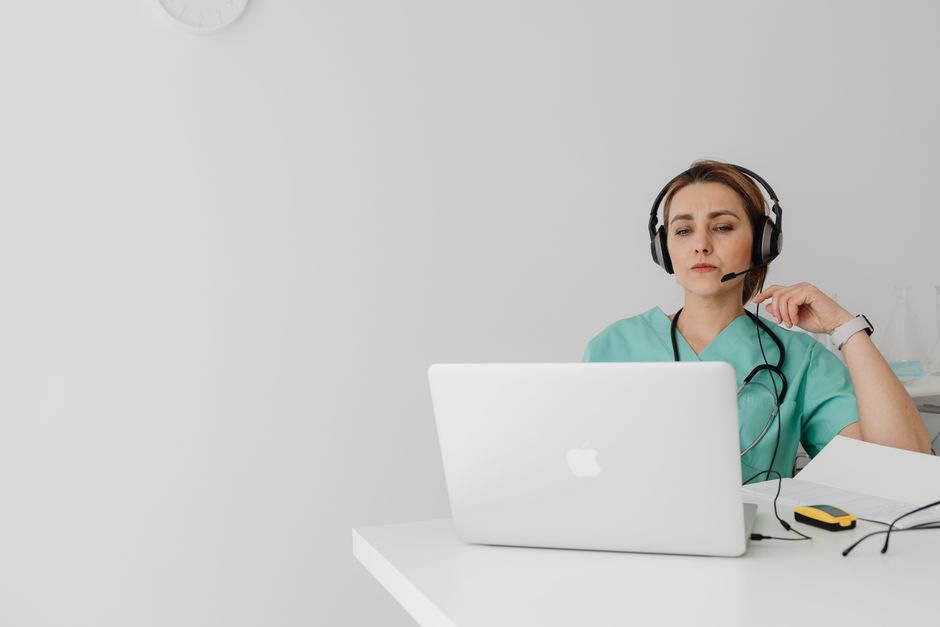
Nervous system regulation is the bedrock of managing chronic conditions. Telehealth systems are increasingly bridging the gap between home-based wellness and professional clinical care. They ensure you aren't just guessing which supplements or routines to try.
For example, companies like Releaf offer a structured, professional approach to cannabis-based medicine within the UK. This is a perfect example of personalized healthcare: you aren't just buying products; you are participating in a clinical pathway. By working with specialists through a digital portal, your symptom management is monitored, adjusted, and—crucially—verified against clinical standards. It moves the conversation away from "try this supplement and hope for the best" to instavipbio.net "here is a personalized, doctor-led plan that considers your specific physiology."
How to Use These Tools Effectively
If you are new to using digital platforms for your health, here is a simple roadmap to get started:
Audit Your "Current" State: Don't try to change five things at once. Use a digital platform to track just one variable, like pain levels or sleep, for one week. Define Your Baseline: Acknowledge that some days you will do "nothing." That is not failure; that is recovery. Leverage the Experts: Use platforms that have a clear tie-in to national guidelines (like those aligned with NICE) to ensure you aren't falling for medical pseudoscience. Customize Your Alerts: If an app is pinging you every hour, disable it. You control the tech; it does not control you.Final Thoughts: Advocacy is About Control
The beauty of the digital healthcare revolution is that it puts the "admin" of your life into a structured format, freeing up your cognitive energy for actual living. However, remember the most important rule of patient advocacy: You are the expert on your own body.
Digital platforms are tools, not masters. Whether you are using a telehealth system to speak with a clinician at Releaf or using a simple app to manage your daily pacing, ensure that the guidance you receive is rooted in evidence and, most importantly, allows for the reality of your "too tired to think" days. Never let a digital interface convince you that you need to push through your physical limits to be "compliant." The best patient is a well-rested one who knows how to listen to their own needs.
Stay kind to yourself. And if you have a day where you do absolutely nothing but rest? That is, by definition, a successful day of recovery.