Late-night Discord sessions can be a blast—you’re sharing laughs, strategizing your next move, and vibing with friends or teammates. But once you log off, shifting gears from high-energy gaming or social chatting to restful sleep can feel tricky without reaching for supplements or sleep aids. What if you want to avoid buying anything extra, yet still calm your mind effectively and stick to a healthy sleep routine?
In this post, we'll discuss practical sleep routine tips that really work after those marathon Discord calls—no supplements necessary. We'll also take a quick look at some popular approaches people use, like CBD, and why you should read the fine print carefully (and understand what companies like Joy Organics, the FDA, and even the World Anti-Doping Agency have to say). Spoiler: not all CBD or hemp products are created equal, and the evidence for their sleep benefits is far from straightforward.
Why Winding Down Matters: From Discord Hype to Restful Nights
It’s easy to underestimate what a high-stimulation activity like gaming or chatting on Discord does to your body. Your brain’s on fire—lots of dopamine surges, bright screens flashing, adrenaline pumping. Without a good end-of-day routine, it’s no surprise your body struggles to wind down.
Here are the essentials you want to aim for post-Discord:
- Quiet your mind—reduce mental chatter and anxiety. Lower your physiological arousal—drop heart rate and cortisol. Signal to your brain it’s time for sleep—mindfully transition routines. Remove blue light exposure by getting a screen cut off at least 1 hour before bed. Keep a consistent bedtime schedule to reinforce your circadian rhythm.
Common Supplement Routes People Consider (and Why You Might Skip Them)
Supplements are tempting—just pop a gummy or drop some oil and you "should" feel relaxed and ready for bed, right? Popular options include melatonin, magnesium, and lately, CBD products. Before you buy, it pays to understand what you’re actually getting.
CBD Basics and THC Distinctions
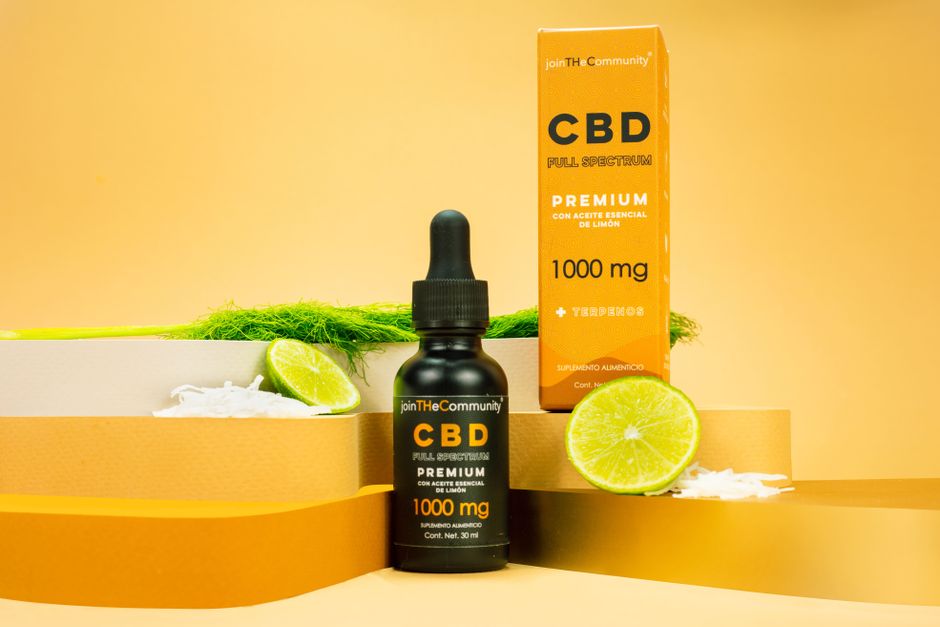
CBD (cannabidiol) is one of many compounds in the cannabis plant family, which includes hemp and marijuana. It’s become trendy for anxiety, sleep, and even athletic recovery. But remember: CBD products vary hugely. Some companies emphasize their “full spectrum” extracts, meaning the product contains CBD plus traces of other cannabinoids, including THC (tetrahydrocannabinol), the psychoactive compound responsible for feeling “high.” Others sell “CBD isolate,” which is pure CBD with no THC.
One important distinction is the THC content. By legal definition in the U.S., hemp-derived CBD products must contain less than 0.3% THC by dry weight. This threshold is crucial because products above it are considered marijuana and regulated differently. Companies like Joy Organics proudly market their products as 0.0% THC to appeal to those wary of any psychotropic effects or drug tests.
Legality and the 0.3% THC Threshold
Thanks to the 2018 Farm Bill, hemp and its derivatives became federally legal in the United States if the THC concentration stays below 0.3%. The FDA, however, has been slow to approve many CBD products for consumption—most available items fall into a legal gray zone as dietary supplements. On top of that, the World Anti-Doping Agency (WADA) banned THC but removed CBD from its prohibited substances list in 2018. This means professional athletes can technically use CBD, but not THC-containing products.
So if you’re thinking about CBD to wind down post-Discord, consider the source, legality, and your personal tolerance or drug testing needs.
Evidence Strength: Anxiety vs Sleep vs Performance
When browsing claims about CBD or hemp-derived products, you’ll see mixed messages about their benefits for anxiety, sleep, and cognitive or athletic performance. What does research say?
- Anxiety: There’s modest evidence to support that CBD may reduce anxiety in some people by interacting with the endocannabinoid system and serotonin receptors. However, the doses used in clinical trials are usually high and administered under supervision. Sleep: Studies on CBD as a sleep aid are inconclusive. Some people report improved sleep quality and latency (how fast they fall asleep), while others see no difference or even worsened sleep. Again, research doses tend to be much higher than what’s in typical commercial gummies. Performance: There’s little solid evidence that CBD boosts physical or mental performance. WADA’s removal of CBD from banned substances likely reflects safety concerns rather than performance enhancement.
Remember: a lot of marketing hype isn’t backed by robust clinical trials. Anecdotal reports can be misleading, and individual responses vary widely.
Dosing Mismatch: Studies vs Gummies on Shelves
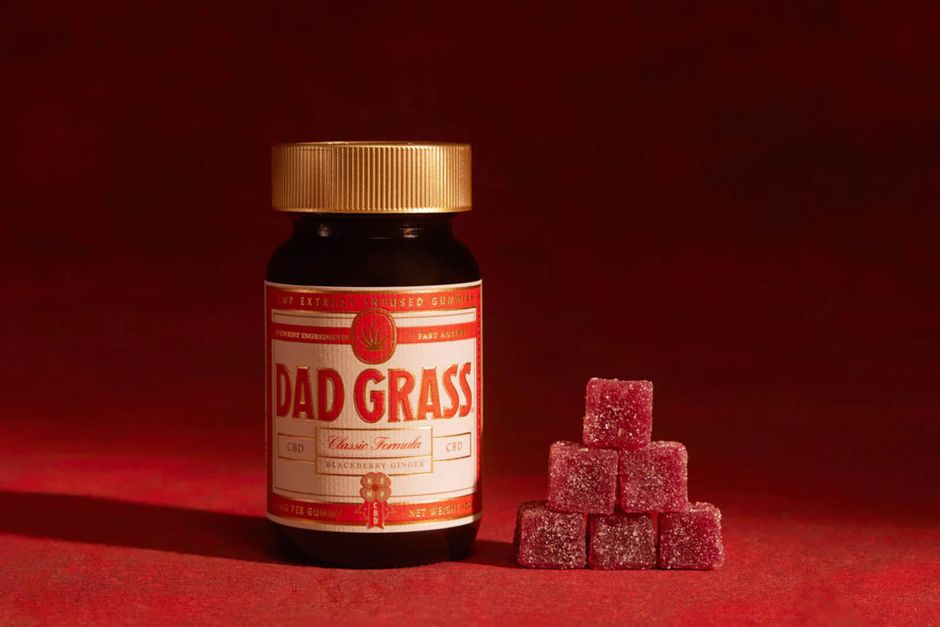
This is a pet peeve. The scientific studies that find positive effects from CBD often use hundreds of milligrams per dose—sometimes 300mg, 600mg, or more. Compare this to the average CBD gummy or tincture serving, which commonly contains 10-25mg. That’s a huge discrepancy.
So, if you buy a $50 jar of gummies each with 25mg CBD, but trials show benefits starting at 300mg, five gummies (one hundred twenty-five mg) might still be low compared to therapeutic doses. Plus, bioavailability varies by form (oils vs capsules tribality.com vs edibles), so direct comparisons are tricky.
This dosing gap means many users end up underdosed relative to studied amounts—and don’t get the effects they expect.
Sleep Routine Tips: Practical Ways to Wind Down After Discord (No Supplements Needed!)
So you want effective, healthy ways to wind down after those intense Discord sessions—without buying anything. Here’s a step-by-step routine, anchored in well-established science:
Establish a consistent bedtime: Going to sleep and waking up at the same times daily strengthens your circadian rhythm, improving sleep quality and daytime energy. Set a screen cut off 1 hour before bed: Blue light from phones, monitors, and TVs suppresses melatonin, the hormone signaling your body to sleep. Power down devices or switch to apps that filter blue light after your Discord session ends. Create a calming ritual: This could be gentle stretching, reading a physical book (not on backlit devices), journaling, or listening to soothing music or white noise. Optimize your environment: Dim the lights, lower room temperature to around 65-68°F, and ensure your sleep area is quiet and clutter-free. Practice mindfulness or breathing exercises: Techniques like 4-7-8 breathing or progressive muscle relaxation lower sympathetic nervous system activation and prepare your body for rest.Bonus: Nutrition and Hydration
Avoid caffeine or heavy meals 3-4 hours before bed. Drink water earlier in the evening to minimize disruptive nighttime bathroom trips. Herbal teas (chamomile, valerian, peppermint) can help, but don’t rely on supplements labeled “sleep aids” without verified quality checks.
Final Thoughts
There’s no magic in a gummy or tincture for winding down after Discord fatigue—at least not without paying close attention to product quality, dosing, and your personal physiology. While CBD products from brands like Joy Organics look appealing, knowing the legal limits (0.3% THC threshold), the FDA’s stance, and performance rules set by organizations like WADA can help you make informed choices.
Most importantly, your best bet for restful nights is building solid habits that your body and mind recognize: consistent bedtimes, limiting blue light exposure with a purposeful screen cut off, and practicing calm, mindful routines before sleep. These foundational pillars support natural recovery without the confusion and expense of supplement trials.
Next time you finish your Discord session, try winding down with low-tech, high-impact strategies—your brain and body will thank you.