In my 11 years as a community health educator, I have watched CBD (cannabidiol) go from a niche supplement to a staple in local health food shops. During that time, I’ve heard countless questions about how to fold it into daily routines. One question that surfaces with worrying frequency is: "Is it safe to mix CBD with alcohol?"
Whether you are considering a CBD-infused cocktail or simply wondering if it’s okay to have a glass of wine after your evening CBD oil, the answer isn’t a simple yes or no. It is a matter of pharmacology, individual biology, and, frankly, common sense. As someone who spends far too much time debunking "wellness" influencers who ignore medication contraindications, I’m here to break this down using clinical logic, not marketing hype.
Why product interactions matter in your daily routine
When you take a supplement or a medication, your body doesn't treat them as separate events; it processes them through a shared "factory." That factory is primarily your liver. When we talk about product interactions, we are talking about how one substance changes the way your body processes another.
CBD is a chemical compound derived from the cannabis plant. Unlike THC (tetrahydrocannabinol), it does not produce a "high." However, it is biologically active. Alcohol is a central nervous system (CNS) depressant. When you combine two substances that affect the same systems—specifically the CNS—the risk isn't just about the two items interacting; it’s about how they amplify each other’s effects. Relying on "wellness" influencers who claim these substances "balance each other out" is dangerous because it ignores the actual mechanism of action: how these chemicals bind to your receptors.
The Sedation Risk: Why timing matters
The biggest concern when combining CBD and alcohol is the sedation risk. Both CBD and alcohol can cause drowsiness, fatigue, and impaired motor function. When taken together, they can have an "additive effect." This means the total impact on your system is greater than the sum of the two parts.
Think of it like this: If you take a dose of CBD that makes you feel slightly relaxed, and then you consume alcohol, which slows down your reaction time, your brain and body may become significantly more impaired than they would be with the alcohol alone. This is particularly dangerous if you plan on driving, operating machinery, or participating in any activity that requires sharp focus.
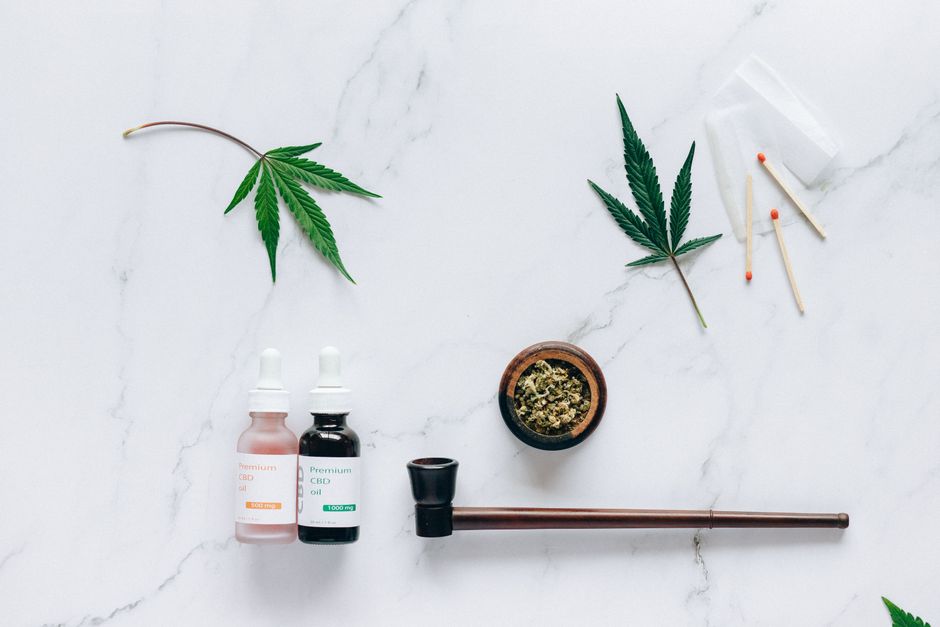
The "Timing Caution"
If you choose to use CBD, you should consider the timing caution. The metabolism of stress management routines CBD is not instantaneous. Depending on the method of ingestion (oil, gummies, vapes), it stays in your system for varying lengths of time. If you consume alcohol shortly after taking CBD, you are essentially "stacking" those depressant effects during the window where your liver is already working overtime to process the substances.
Dose, timing, and metabolism: The drivers of interaction
Not everyone reacts the same way to a "cocktail" of CBD and alcohol. This comes down to three key https://smoothdecorator.com/what-does-responsible-wellness-culture-look-like-day-to-day/ drivers:
- Dose: The higher the dose of CBD, the more it demands from your liver’s metabolic pathways. High doses increase the likelihood of feeling overwhelmed or overly sedated. Timing: Taking them simultaneously creates a steeper curve of impact on the CNS compared to spacing them out by several hours. Metabolism: Your personal genetic makeup determines how fast you process substances. Some people are "fast metabolizers," while others are "slow metabolizers." If you are a slow metabolizer, that glass of wine might keep you feeling "off" for much longer than the person next to you.
Metabolic Pathways: The CYP450 System
You may see this acronym online: CYP450. This stands for Cytochrome P450, a family of enzymes in your liver responsible for breaking down most of the medications, supplements, and toxins you ingest. Both CBD and alcohol rely on these enzymes. When you overload this system, you create a "traffic jam" in your liver. This means one or both substances stay in your bloodstream longer than they should, increasing potential side effects.
CBD and medication interaction awareness
This is where I get the most frustrated with wellness marketing. CBD is not a "neutral" supplement. It interacts with many common prescription medications. If you take blood thinners, anti-seizure medications, or anti-anxiety meds, you must exercise extreme caution.
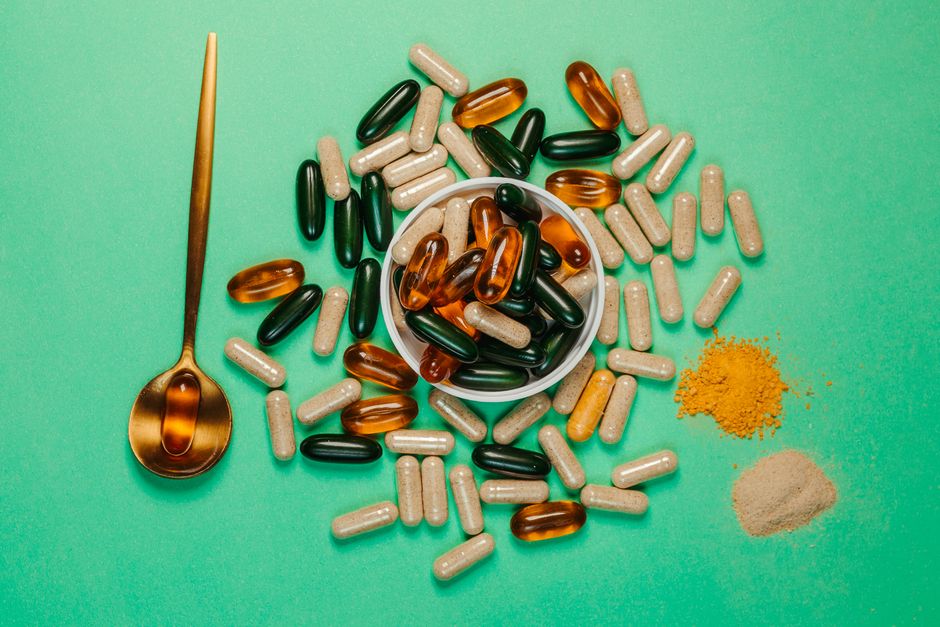
If you mix CBD, alcohol, and prescription medication, you are creating a "perfect storm" for your liver. Last month, I was working with a client who learned this lesson the hard way.. The alcohol can alter the efficacy of your medication, and the CBD can prevent your liver from breaking the medication down, leading to potentially toxic levels of that medication in your blood. Never assume that because CBD is "natural" or "plant-based," it is automatically safe to add to your current medical regime.
Digital research habits: How to spot quality info
When searching for health information, the internet can be a minefield. I recommend these steps to ensure you are getting factual, safe advice:
Cross-check your sources: Don't rely on a single blog post or a TikTok video. Search for the topic on reputable sites like the National Center for Complementary and Integrative Health (NCCIH) or PubMed for clinical studies. Check the date: Medical research moves fast. A study from 2010 might be outdated compared to a 2023 meta-analysis. Watch for "Scare Tactics": If an article uses phrases like "DANGEROUS MISTAKE" or "STOP IMMEDIATELY" without explaining the mechanism of action, proceed with caution. Good science explains the why. Educational Videos: Look for videos produced by accredited hospitals or university medical centers rather than independent influencers. These are often vetted by a team of medical professionals.The Pharmacist Checklist: Questions to ask
As a rule of thumb, your pharmacist is your best friend when it comes to supplement safety. They understand drug-drug interactions better than almost anyone. Here is my "running checklist" for your next visit:
Question Why you’re asking "Does CBD interfere with my current prescriptions?" Checks the CYP450 pathway conflict. "Is there a specific time of day I should take my meds versus CBD?" Helps you avoid peak concentration overlap. "What are the specific side effects I should look out for?" Helps you identify when an interaction is actually happening. "Are there specific dosages of CBD that are known to be problematic?" Ensures you are starting at a low, evidence-based level.
Final thoughts: Is it worth the risk?
The bottom line? There is no "detox" hack or magic supplement that makes mixing CBD and alcohol safe. While a single low-dose encounter might not land you in the ER, it can definitely leave you feeling more lethargic, impaired, or chemically "off" than you intended.
Wellness is about agency—the ability to make informed decisions for your own body. If you choose to drink, choose to be aware. If you choose to use CBD, choose to be consistent. But when you mix them, you lose the ability to predict how your body will react. My advice? Keep them separate. Your liver, your CNS, and your peace of mind will thank you.
Ask yourself this: disclaimer: this article is for educational purposes only and does not constitute medical advice. Always consult with your primary care physician or a licensed pharmacist before adding CBD or any new supplement to your daily routine, especially if you are taking prescription medications.