If you have spent any time researching medical cannabis, you have likely encountered two very different narratives. On one side, there are the sensationalist headlines promising a "miracle cure" for chronic pain, anxiety, or insomnia. On the other, there is the reality of the UK’s clinical landscape: a complex, tightly regulated, and often confusing administrative journey that looks very little like the advertisements you see on social media.
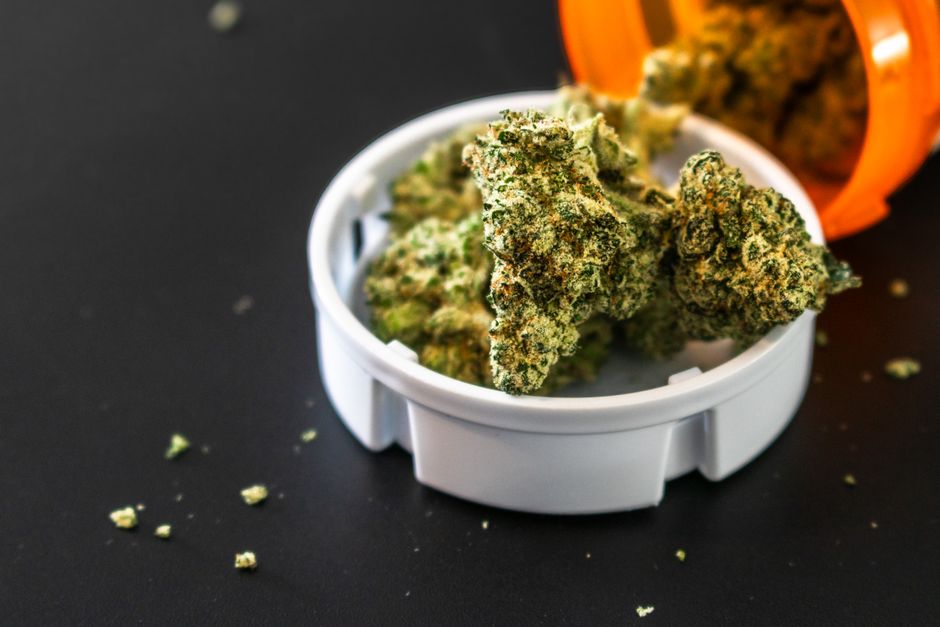
After nine years of covering the UK healthcare sector—from NHS commissioning boards to private specialist clinics—I can tell you one thing with certainty: medical cannabis is never a standalone solution. It is a tool within a clinical pathway, and its success depends entirely on how well it is integrated into your broader health management plan.
Understanding the Clinical Pathway
In the UK, medical cannabis is not an "over-the-counter" wellness supplement. It is a controlled medication, prescribed by specialist doctors listed on the General Medical Council’s (GMC) specialist register. The regulatory body overseeing the pharmacies that dispense these medications is the General Pharmaceutical Council (GPhC). These bodies ensure that patient safety is prioritized over the commercial interests of the companies pushing the product.
Because of this, the pathway to receiving a prescription is intentionally rigorous. It is not designed to be "instant relief" but rather a controlled intervention for patients who have exhausted first-line and second-line treatments through the NHS.
When you start this journey, you aren't just looking for a product; you are looking for a clinician who is willing to take on your case. This requires a documented medical history that proves you have tried other licensed treatments—whether they be pharmacological (like SSRIs or analgesics) or non-pharmacological (like Cognitive Behavioural Therapy or physiotherapy)—without achieving satisfactory results.
The Reality of the First Consultation
Many patients walk into their first consultation expecting a quick rubber-stamp process. They are often surprised to find that the initial consultation is an exhaustive, 45-to-60-minute deep dive into their health records, current medication, and lifestyle factors.
This is not a formality. It is the most critical stage of your treatment. Your clinician is assessing:

- Clinical Eligibility: Have you actually exhausted licensed treatments? Risk Assessment: Is there a history of psychosis or substance dependency that would make cannabis contraindicated? Interaction Management: How will cannabinoids interact with your existing blood pressure medication, antidepressants, or other routine treatments?
If you approach this as a quick-fix conversation, you will likely be disappointed. Approach it instead as a strategic clinical partnership. You are presenting your case, and the specialist is determining if the cannabis-based treatment can realistically slot into your current health plan without causing instability.
The Administrative Burden: Why Paperwork Matters
The part of the process that catches most people off guard is the administrative weight. I have interviewed dozens of patients who were frustrated by the delays, only to realize the "delay" was actually the pharmacy or clinic verifying a prescription against GPhC standards or waiting for a summary care record from an NHS GP.
To help navigate this, some clinics offer resources to organize your entry into the system. For instance, the medical cannabis starter kit UK page provided by Releaf is a practical example of how to centralize your information. These resources exist to help you manage the expectations and documentation required to bridge the gap between NHS primary care and private specialist support.
If you don’t have your ducks in a row—specifically, a clear, dated history of what you have already tried—you will be stuck in a cycle of repeated consultations and rejections. Keep your medical records organized in a single folder. You will need them.
Daily Life Fit: Integration vs. Replacement
The ceocolumn.com "bigger plan" refers to how you incorporate medical cannabis into your daily life. It should not be a replacement for everything else you are doing. If you stop your physiotherapy because you believe cannabis will solve your back pain alone, you are setting yourself up for failure.
Instead, look at the treatment as an "enabler." Perhaps the cannabis reduces your inflammation just enough to allow you to engage in that physiotherapy you previously found too painful. Or perhaps it regulates your sleep enough that your daily anxiety management techniques (like mindfulness or exercise) finally start to take hold.
Comparison: Traditional Management vs. Integrated Cannabis Pathway
Focus Area Traditional Pathway (NHS) Integrated Cannabis Pathway Primary Goal Symptom suppression Quality of life & function Engagement Passive (taking pills) Active (titration & tracking) Follow-up Long intervals Monthly/Bi-monthly reviews Flexibility Low (standard dosage) High (titrated to needs)Why Follow-Up Care is Non-Negotiable
Nothing annoys me more in this industry than the narrative that you "get the script and you’re done." That is dangerous medicine. The most regulated and professional private clinics are the ones that enforce follow-up consultations.
Cannabis is not a one-size-fits-all drug. Different strains, strengths, and methods of administration affect patients in vastly different ways. Your first month is a titration period—you are finding the "minimum effective dose." You should be tracking this data. If you aren't reporting back to your clinic on how the medicine affects your ability to function, work, or sleep, you are essentially flying blind.
The GPhC expects pharmacies and clinics to ensure that patients are being monitored for adverse effects. If you find a provider who does not insist on a follow-up after the first month, I would strongly advise looking for a different clinic. A lack of follow-up indicates a lack of clinical duty of care.
Building Your Personal Strategy
To succeed in a medical cannabis pathway, you need to transition from a patient seeking a "treatment" to a manager overseeing your own health data. Here is how to construct your bigger plan:
Gather Your Records: Request a full, detailed summary of your medical history from your NHS GP. Do not wait for the clinic to request it. Define "Success": If your goal is "feeling better," you will never be satisfied. Define success by function: "I want to be able to walk for 20 minutes without pain," or "I want to sleep through the night three times a week." Clinician Engagement: Be honest with your private specialist. If a dose is too high, or you aren't seeing the results you expected, tell them. They need this data to adjust your plan. Complementary Care: Keep up with your existing therapies. Cannabis should be the foundation upon which other improvements are built, not the roof covering a broken house.Final Thoughts
Medical cannabis is a legitimate, albeit heavily regulated, clinical pathway for those who have found little help elsewhere. But it is not a standalone solution. It requires an investment of time, a commitment to paperwork, and a willingness to stay engaged with your clinical team.
If you are looking for a magic bullet, you will find only disappointment and high costs. But if you are looking for a controlled, medically-supervised tool that fits into a broader, holistic management plan, then the private clinical pathway can offer a genuine pathway to improved quality of life. The key is in the "plan"—the long-term, monitored, and integrated approach that keeps your health as the central focus.
Remember: The headline is just the beginning. The real progress happens in the weeks and months of steady, documented titration under the watchful eye of a professional clinician.