You know what's funny? let’s be honest: if you’ve spent any time on social sharing platforms like facebook, x, linkedin, or the rabbit holes of reddit lately, you’ve been bombarded by the "new" way to eat. One week it’s cutting out every carb known to man; the next, it’s surviving on liquid nutrients that cost more than a weekly grocery shop. After 12 years in this industry—and six years specifically focused on the realities of midlife wellness—I can tell you exactly what happens with these cycles: they make you miserable, they don’t last, and they leave you feeling like a failure when life inevitably happens.
The truth is that restrictive dieting is the enemy of long-term habits. When we focus on what we *can't* have, we stop listening to what our bodies actually *need*. Let’s talk about moving away from the "all or nothing" mentality and toward a version of wellness that actually fits into a life that includes work, family, and the occasional Tuesday night where everything goes wrong.
The "Bad Tuesday" Test
My litmus test for any lifestyle change is simple: Can you do this on a bad Tuesday?
If your plan requires meal prepping for five hours on a Sunday, buying exotic superfoods from three different specialty grocers, and performing an hour of high-intensity interval training, you aren't building a habit—you’re building a temporary prison. On a bad Tuesday, when the kids are acting up, the inbox is overflowing, or you’re just plain exhausted, that "perfect" plan is the first thing to go out the window. And when it breaks, we blame ourselves. We don’t blame the plan. We need to stop that pattern.
Sustainable Nutrition: Adding, Not Subtracting
Instead of focusing on restrictive dieting, let's look at balanced eating through the lens of additive behavior. The NHS website remains one of the best, no-nonsense resources for health guidance. Exactly.. They don’t push miracle claims fiftiesweb.com or expensive "hacks." They suggest the basics: a variety of fruits and vegetables, protein, and hydration.
The "tiny changes" approach is what actually sticks. Instead of deleting entire food groups, look for small, manageable additions. Can you add a handful of spinach to your eggs? Can you swap a sugary drink for sparkling water with a splash of fruit?
Tiny Changes That Actually Stick
- The "One Extra" Rule: Just add one extra serving of vegetables to your dinner. Don't worry about removing anything else yet. Hydration First: Drink a glass of water before you have your first coffee. It’s a 10-second change that sets a different tone for your metabolism. Protein Power: Ensure your breakfast has a source of protein. It keeps your blood sugar stable, which prevents that 3:00 PM "I need a biscuit" crash.
The Price Pitfall: A Common Mistake
One of the most persistent, annoying myths in the wellness space is that better health costs more money. I see people sinking hundreds of pounds into "detox kits," high-end blenders, and luxury subscriptions, believing that the price tag is a proxy for efficacy. Let me be clear: paying more for a product does not make your health journey more sustainable. In fact, it often makes it more stressful.
Health should not be a financial burden. When you spend your budget on expensive supplements, you aren't building the foundational habits of nutrition—you're just buying a shortcut that will eventually stop working. Focus your resources on whole foods, comfortable walking shoes, and perhaps community-based resources like Fifties Web, which offers great, accessible information on navigating the midlife transition without the high-pressure marketing tactics found elsewhere.
Movement: Keep it Low-Impact
We often fall into the trap of thinking that if we aren't sweating through our shirts at a boutique gym, it doesn't count. This is a fast track to burnout. In midlife, the goal should be longevity, not just burning calories. Consistent, low-impact movement is the gold standard for maintaining muscle mass and bone density without spiking your cortisol levels.
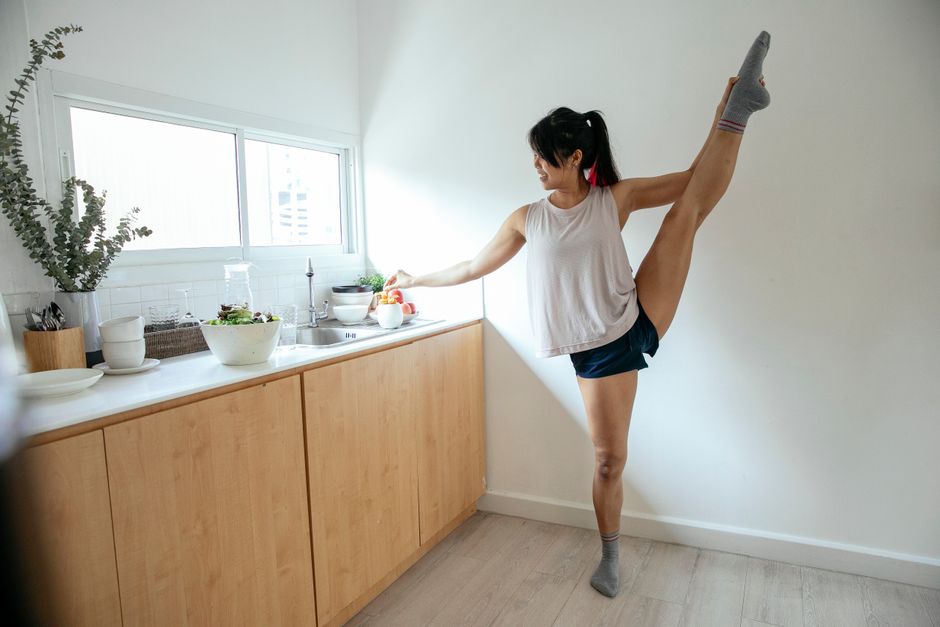
Walking is, hands down, the most underrated wellness tool in existence. It’s free, it’s accessible, and it’s something you can do even when you’re having a busy day. If you can’t get in a 45-minute workout, can you manage a 15-minute walk? The consistency of that 15 minutes is worth infinitely more than a "perfect" 60-minute workout that you only do once a month.
Activity Comparison Table
Activity Type Consistency Rating Accessibility The "Bad Tuesday" Factor High-Intensity Class Low Low (requires gym/gear) Impossible Evening Walk High High Very Doable Home Stretching High High Very DoableSleep Hygiene and Your Routine
I cannot stress this enough: you cannot "out-diet" poor sleep. If your sleep is disrupted—which is very common in midlife—your hunger hormones will be screaming at you all day. If you are struggling with stress or difficulty unwinding, it’s worth looking into supportive routines. Some people find that resources like Releaf (releaf.co.uk) can provide helpful guidance or specialized products that assist with relaxation and managing the daily stressors that keep us awake.
Sleep hygiene is about building a buffer zone before bed. No phones, no stressful emails, and a consistent time to get into bed. It isn't about expensive sleep trackers that tell you how poorly you slept (which, frankly, just adds more stress). It’s about creating an environment that respects your need for rest.
Moving Away From "Before and After" Culture
I have spent 12 years editing health content, and I have never seen a "before and after" photo that told the whole truth. These images are curated, filtered, and often capture the person at their most restricted, dehydrated, and miserable state. They are not measures of health; they are measures of vanity.
Instead of focusing on how you look in a mirror, focus on how you feel in your skin. Do you have the energy to play with your kids or grandkids? Are you sleeping better? Is your mood more stable? These are the indicators of true, sustainable health. When you stop chasing the "after" picture, you finally start living in the "now."
Conclusion: Building Your Own Path
If you take nothing else away from this, let it be this: You do not need permission to stop being miserable. If a diet, a supplement routine, or a fitness trend is making you feel guilty or broke, drop it. Replace it with something that you can sustain on a bad Tuesday. That is where the real work happens.
Start with one tiny change. Drink one more glass of water. Take one 10-minute walk. Choose one extra vegetable at dinner. These aren't "miracles," but they are the quiet, consistent habits that form a lifetime of balanced eating and vitality. You deserve to feel good without the drama of restrictive, expensive, and unsustainable fads.

Stay curious, keep it simple, and remember that your health is a lifelong project, not a six-week sprint.