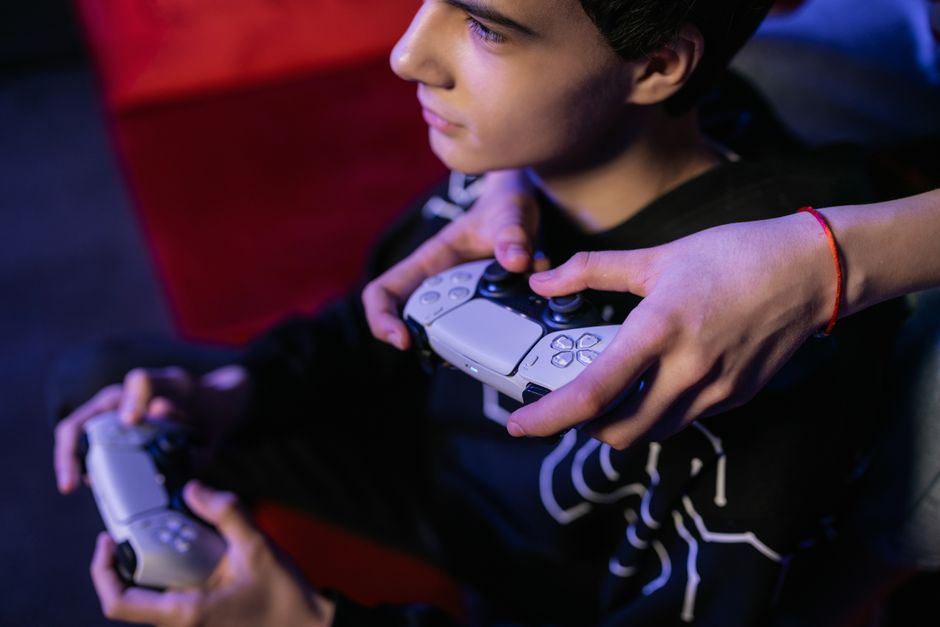
I spent nine years in the trenches of tier-2 esports. I’ve seen the gear-laden team houses, the cold energy drinks at 3:00 AM, and the inevitable look on a player’s face when they realize they’ve been playing for tilt recovery ten hours but haven't actually improved for seven of them. I worked alongside a sports psychologist who looked at our practice schedule and laughed. It wasn’t a "we’re doing great" laugh; it was the hollow, sympathetic sound of someone who knew we were burning out our roster before the first major qualifier.
For too long, the industry has operated on a foundational lie: that more hours behind the screen equals a higher probability of lifting the trophy. If you’re still telling your players that burnout is just a "lack of discipline," you aren’t coaching; you’re just waiting for your team to implode. It’s time we talk about what structured training schedules actually look like in 2024.
The Fallacy of the 12-Hour Scrim Block
There is a specific brand of madness in esports coaching that glorifies the all-nighter. It’s the "grind culture" aesthetic—the idea that if you aren't falling asleep at your desk, you aren't working hard enough. I have a running list of sleep myths that teams still repeat like gospel, and at the top of the list is: "We can just fix their sleep schedule during the bootcamp before the tournament."
Spoiler: You can’t. Circadian rhythm adaptation takes days, sometimes weeks, to stabilize. When we force players into a schedule that ignores their biology, we aren't training them to play better; we are training them to fail under pressure. Decision-making is a physiological process. When the prefrontal cortex is exhausted, the amygdala takes the wheel. In a game like Valorant or League of Legends, that means your star initiator stops playing strategically and starts playing on reactive, tilt-prone impulse.
Cognitive fatigue isn't just "feeling tired." It is a measurable degradation in reaction time, spatial awareness, and—most importantly—the ability to hold information in working memory. If your players are scrimming for four-hour blocks without a meaningful, active recovery phase, they aren't "getting reps." They are merely deepening their bad habits.
Cognitive Recovery as a Training Phase
In traditional athletics, you wouldn't expect a weightlifter to perform max-effort squats for six hours a day. You understand that the growth happens during the rest period, not under the barbell. Why do we treat gaming differently?
Cognitive recovery is not just "time off." It is a deliberate, scheduled component of the practice day. It involves moving from a state of high-arousal (scrims) to a state of calm. This might look like a 20-minute walk without a headset, a tactical review without the noise of the game audio, or—heaven forbid—actual, deep-cycle sleep.
The Science of Performance Cycles
Modern esports teams are moving toward a model where practice is segmented by cognitive load. We shouldn't be asking players to play their best match of the day at 11:00 PM. Here is how we break down the day to respect the biology of the brain:
Phase Activity Goal Phase 1: Warm-up Micro-skill drills, VOD review of previous day Prime neural pathways Phase 2: High-Load Scrim Structured block (Max 90-120 mins) Tactical execution & communication Phase 3: Active Recovery Physical movement, meal, no screen time Lower cortisol, reset decision-making Phase 4: Synthesis Review, solo queue, low-pressure tasks Cement learningCircadian Rhythm Scheduling: The "Monday" Test
I am notoriously obsessed with reducing late-night scrim spillover. I have seen countless teams try to "optimize their routine" by cutting lunch breaks or stacking back-to-back scrims to "maximize efficiency." This is vague, dangerous advice. "Optimizing" is a buzzword that often masks a lack of strategic planning. Instead, I ask every coach: "What changes on Monday?"
If you implement a new wellness protocol or a sleep hygiene adjustment on a Thursday, you’ll lose the data by the weekend. True circadian rhythm scheduling involves mapping the team’s practice hours to their natural peak performance windows. Most gamers are natural night owls, but that doesn't mean they should practice until sunrise. It means we should shift the practice window to the afternoon and evening to accommodate their biological clock, while setting a hard "lights out" time that allows for eight hours of quality sleep before the next day's training.
Here are the non-negotiables for a modern schedule:
- The 90-Minute Rule: Never allow a scrim block to exceed 90 minutes without a mandatory 15-minute screen-free break. The Hard Stop: Practice ends at a specific time. If players want to play solo queue, they do it on their own time, but the team infrastructure shuts down. Sleep Hygiene Policy: Blue light filters are not enough. We need total dark, cool rooms, and a clear separation between the "work" desk and the "relax" space.
Why Burnout is a Team Performance Issue
When someone tells me that burnout is "just a lack of discipline," I know exactly what kind of org they run. They run an org where the player churn rate is high and the trophy cabinet is empty. Burnout is a failure of leadership to manage the energy output of the human assets they employ.
When a player is burned out, they become defensive. They stop listening to constructive criticism. Their reaction times drop by milliseconds, which—in a high-tier lobby—is the difference between a round win and a series loss. Burnout isn't a personality flaw; it’s a physiological state where the brain has effectively hit the "emergency shutdown" button to protect itself from excessive cortisol.
If you don’t build recovery into the schedule, you aren't training. You’re just accelerating the date of your star player's resignation.

The Path Forward: Practical Steps for Coaches
If you want to professionalize your team's approach, stop looking for "hacks" and start looking at the biological baseline. Stop trying to "optimize" your way out of basic human needs. Start by auditing your current schedule against these three markers:
Are your scrim blocks too long? If the communication quality drops in the last 30 minutes of every block, you are training your players to communicate poorly. Shorten the block. Is sleep being treated as a variable or a foundation? If a player missed sleep, do you penalize them or do you adjust the day? A team that values sleep quality sees consistent reaction times throughout the tournament season. Is "recovery" scheduled, or is it just "the time when we aren't playing?" Real recovery should be active. Physical exercise, proper hydration, and scheduled downtime are part of the job description.I’ve sat in those rooms. I know the pressure to win is immense. But the teams that are still around in five years won't be the ones that grinded the hardest—they will be the ones that grinded the smartest. They will be the ones that understood that the Additional hints mind is a piece of hardware that requires maintenance. If you don't maintain it, don't be surprised when the system crashes in the middle of a grand final.
So, the next time you draft your training calendar, ask yourself: Does this schedule actually help them get better, or is it just a way to feel like you’re "working"? And more importantly—what actually changes on Monday to make this sustainable?