If you have ever spent an hour on hold just to book a GP appointment or struggled to remember exactly when you last had a blood test, you know that healthcare administration can feel like a full-time job. A patient dashboard—the digital home base you see when you log into your provider’s health portal—is intended to fix that. However, not all dashboards are built the same.
Some are merely glorified digital filing cabinets, while others act as genuine partners in your health journey. If your portal feels more like an obstacle than a tool, here is what you should expect from a modern, high-quality patient dashboard.
1. Seamless Appointment Management
The most basic function of any patient portal is managing your schedule. Too often, "appointment management"—the digital process of booking, viewing, and changing medical visits—is clunky. A high-quality dashboard should eliminate the back-and-forth phone calls entirely.

Essential features to look for:
- Real-time scheduling: You should be able to see available slots for your preferred clinician without waiting for a practice manager to manually confirm the time. Calendar sync: A "one-click" feature that pushes your appointment details directly into your personal calendar (like Google Calendar or Outlook). Automated reminders: Notifications via text or email that arrive 24 to 48 hours before your visit, including instructions on whether you need to arrive early or fast beforehand. Cancellation/Rescheduling: The ability to move an appointment without calling the office, provided it is done within the practice’s notice period.
2. Centralized Health Information (The "Single Source of Truth")
Your health information, such as lab results and medication lists, is often scattered across different clinics and hospitals. A good dashboard acts as an aggregator—a digital hub that pulls your disparate records into one view. When your data is in one place, you become the primary owner of your medical narrative.
What you should be able to see:
- Test results with context: It isn't enough to see a number. A good dashboard provides "reference ranges," which are the standard measurements used by labs to indicate what is considered "normal" for a specific test. Medication lists: A clear, up-to-date record of what you are prescribed, how often to take it, and the ability to request a repeat prescription directly from the app. Clinical summaries: Notes from your previous appointments so you don’t have to rely on memory when describing your symptoms to a specialist.
3. Integrated Educational Materials
One of the biggest issues with healthcare today is the reliance on generic search engines—general-purpose websites like Google or Bing—to find medical advice. While they are useful, they often lead to "Dr. Google" anxiety, where patients find alarming, non-specific information. A good patient dashboard should provide educational materials directly integrated into your record.
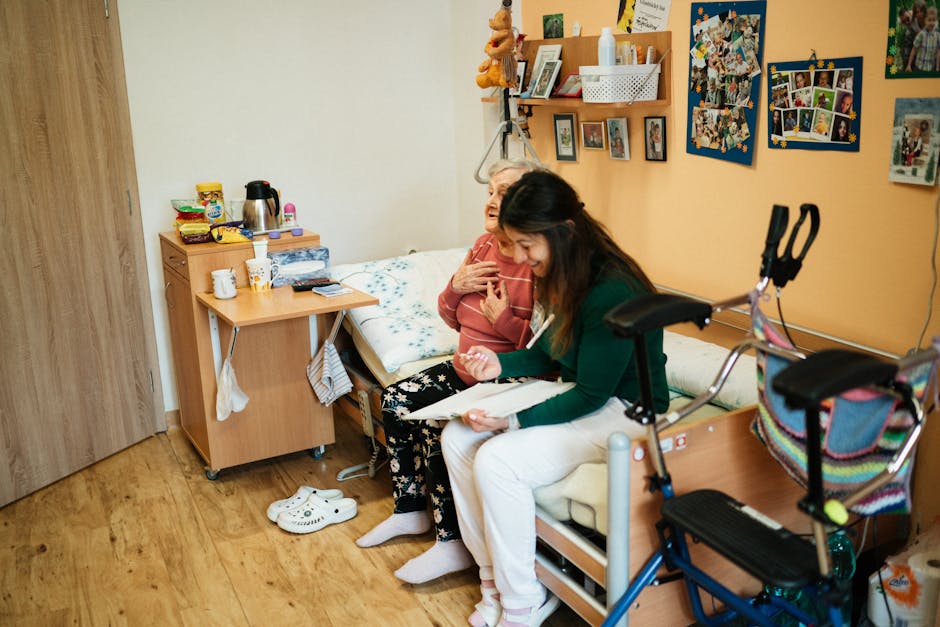
These materials are vetted, evidence-based guides tailored to your specific conditions. If your chart indicates you have high blood pressure, your dashboard should surface high-quality, reputable resources (such as those from the British Heart Foundation or the NHS) specifically about managing sodium intake or exercising with hypertension. This transforms the portal from a record-keeping tool into a device for patient empowerment—the process of giving patients the knowledge and confidence to take an active role in their own care.
4. Telehealth and Virtual Consultations
The pandemic normalized the virtual consultation, or telehealth—the practice of seeing a doctor or nurse via a video call rather than in person. However, virtual consultations shouldn't feel like a separate, disconnected experience.
A good dashboard should have an integrated video platform. This means you click a button inside your dashboard, and the call starts. You shouldn't need to download third-party software or struggle with unique meeting links sent via email. If a clinical note is written during that call, it should appear in your dashboard immediately afterward, ensuring that the digital and "live" components of your care are linked.
5. Secure Communication Channels
When you have a question that isn't quite an emergency but can't wait for your next appointment, you shouldn't have to navigate a complex telephone switchboard. A secure, direct messaging feature is vital. This is not the same as email, which is often not encrypted; this is a secure "in-app" messaging system that is integrated into your medical record, ensuring your clinician can see your message alongside your history.
What a Great Dashboard Looks Like: A Comparison
To help you determine if your provider’s portal is hitting the mark, look at this comparison table. If your current portal lacks the items in the "High-Quality" column, it may be time to ask your clinic if they plan to upgrade their systems.
Feature The "Basic" Portal The High-Quality Dashboard Booking Call to book; maybe a web form. Real-time slot selection and calendar sync. Health Data Hard to read; PDF scans only. Structured data; interactive charts showing progress over time. Advice "Contact your doctor for info." Personalized links to evidence-based resources. Consultations External link to Zoom/Teams. In-app, secure video integrated with your chart. Connectivity Disconnected from other clinics. Interoperability (the ability for different systems to "talk" to each other).Why Digital Accessibility Matters
A dashboard is only as good as its usability. Digitally accessible health information means that the lyricsgoo.com dashboard must be intuitive, easy to navigate on a mobile phone, and compliant with accessibility standards (such as large font options or screen reader compatibility for those with visual impairments). If a patient has to be a tech expert to view their own blood pressure reading, the dashboard has failed its primary purpose: to make healthcare easier.
In the UK, platforms like the NHS App have set a baseline expectation for this level of access. If you are using a private portal, you should demand a similar standard of "clean" design—no unnecessary clutter, clear labels, and a search function that actually works.
Final Thoughts: Empowerment Through Data
The goal of a patient dashboard is not just to provide a digital view of your health; it is to shift the dynamic of your healthcare. When you have access to your own appointment management, a clear view of your records, and reliable educational materials, you move from being a passive recipient of care to an active participant.
If your current dashboard feels outdated, don't be afraid to provide feedback to your practice. Most providers are looking for ways to reduce the administrative burden on their staff; by using a well-designed, feature-rich dashboard, you aren't just helping yourself—you are helping them stay organized, too. Empowerment is the ultimate outcome of better data. When you know more, you do more, and your health—and your healthcare experience—will reflect that.
Checklist for Your Next Portal Login:
Can I book, move, and cancel appointments without a phone call? Are my lab results displayed with "normal" ranges so I can understand them? Is there a way to message my care team securely? Are there links to trusted, evidence-based articles related to my specific health needs? Can I access this on my phone as easily as on a laptop?If you answered "no" to three or more of these, it is time to have a conversation with your provider about their digital roadmap. You deserve a dashboard that works for you, not the other way around.