If you have ever navigated the path toward a specialist diagnosis or a specific treatment plan in the UK, you have likely heard two very different stories. On one hand, there is the NHS—a pillar of healthcare that provides comprehensive care at the point of need but often struggles under the weight of historic demand. On the other, there is the growing world of private healthcare, which patients frequently describe as "streamlined."
As a wellness coach who has spent years listening to patients navigate these two worlds, I’ve heard the frustration in the voices of those waiting months for a GP appointment, and the relief of those who found a private clinic that felt, in their words, "like using an app to order a taxi." But what does "streamlined" actually mean in a clinical context? Is it just about speed, or is it a fundamental shift in how we access medical care?
The Structural Divide: Understanding the "Referral-Heavy Model"
To understand why private clinics feel more accessible, we have to look at the architecture of the National Health Service (NHS). The NHS operates on a referral-heavy model. This system is designed for gatekeeping and clinical safety: a GP must act as the primary filter, assessing your needs and then referring you to secondary care. While this protects resources, it creates a massive bottleneck. The process requires multiple touchpoints—admin staff, GP availability, secondary care triage, and long waiting lists.
In contrast, many private clinics operate as direct-access entities. They have decoupled the need for a primary care "gatekeeper" for specific conditions. By moving away from the referral-heavy model, private clinics shift the responsibility of triage to their own proprietary intake systems. This is where streamlined digital systems truly change the game.
The 2018 Turning Point: What Changed, and What Didn’t?
Much of the current landscape of private specialist clinics was catalyzed by legal changes, most notably the 2018 legislative shift regarding medical cannabis prescribing. This change allowed specialists on the General Medical Council’s (GMC) Specialist Register to prescribe cannabis-based products for medicinal use.
It is important to clarify what this did and did not change:
- What it changed: It opened a legal pathway for private clinics to provide specialized treatment for conditions that were previously underserved. It incentivized the creation of digital-first platforms to manage patient intake. What it did not change: It did not force the NHS to adopt these new protocols overnight. NHS prescribing pathways are tied to NICE (National Institute for Health and Care Excellence) guidelines, which move slowly due to the rigorous, multi-year evidence-gathering process required for public funding.
Because the NHS is inherently cautious—prioritizing proven, long-term cost-effectiveness and massive-scale safety data—it often leaves a "care gap." Private clinics moved into this gap, using the 2018 changes as a blueprint for how to deliver specialist care outside the traditional slow-moving NHS structure.
How Private Clinics Use Technology to "Streamline" Care
When patients say private clinics are streamlined, they are usually talking about the user experience. By digitizing the clinical intake process, private clinics have made specialist access practical for people who work full-time or struggle with traditional appointment times.
1. Online Eligibility Assessments
In the NHS, you cannot "pre-screen" yourself; you must convince a GP to initiate the process. Private clinics flip this. Most offer online eligibility assessments—a series of algorithmic questions that help determine if you are a candidate for their service before you ever pay for a consultation. This reduces the "wasted" time of consultations that lead nowhere and ensures that when you do see a specialist, you are already in the right place.

2. Secure Medical Record Uploads
One of the biggest hurdles in NHS care is the transfer of information. Records are often fragmented, stuck in paper files, or trapped in incompatible IT systems. Private clinics have embraced secure medical record uploads, allowing patients to own their health data. Patients can upload their GP summary or blood tests directly into a encrypted patient portal, which the specialist reviews before the video call. This transforms the appointment from a data-gathering exercise into a meaningful clinical discussion.
3. Telehealth and Digital-First Infrastructure
While the NHS has made massive strides in telehealth since 2020, private clinics were built on it from day one. Their digital-first healthcare infrastructure means that communication is asynchronous. You can message a clinician, request a repeat prescription through an app, or update your symptoms via a secure form. This removes the "phone queue" culture that plagues many NHS surgeries.
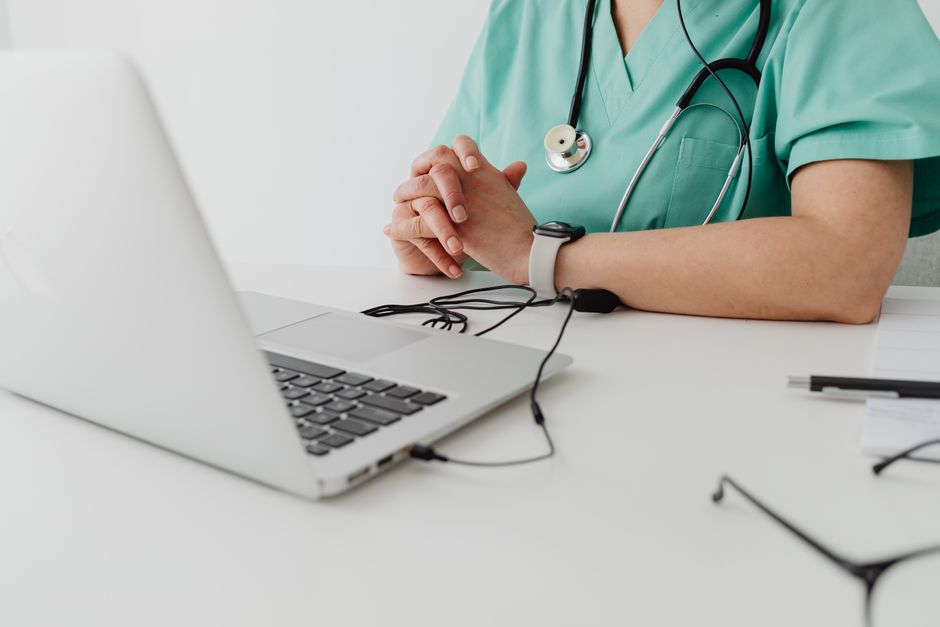
The NHS Caution vs. Private Responsiveness
It is unfair to characterize the NHS as simply "slow." Its caution is a form of protection. When the NHS implements a new treatment, it must be robust enough for millions of people. It must account for every possible contraindication and long-term population health outcome. Its narrow prescribing pathways are there to prevent the risks of over-medicalization and to protect the public purse.
Private clinics, however, operate in a different risk environment. They focus on highly specific niche areas—like adult ADHD, hormone replacement therapy, or pain management—where they can implement "gold standard" protocols that are updated in real-time as clinical research emerges. Because they are smaller and more agile, they can pivot their prescribing guidelines faster than a massive national institution ever could.
Comparison: Traditional Referrals vs. Modern Private Models
Feature NHS Referral Model Private Digital Model Access Point GP Gatekeeper required Direct patient self-referral Intake Process In-person GP triage Online eligibility assessments Data Management Fragmented / Physical records Secure medical record uploads Wait Times Months to years Days to weeks Guideline Updates Slower (NICE-dependent) Fast (Real-time clinical updates)Is "Streamlined" Always Better? A Coach’s Perspective
As a wellness coach, I often get asked if everyone should go private. The truth is, "streamlined" isn't the Releaf clinic UK reviews 2024 same as "holistic."
The strength of the NHS is that it is integrated. If you have complex, multi-morbidity health issues, your GP is supposed to see the "big picture." Private clinics are often "siloed." You might see a specialist for your sleep, another for your ADHD, and another for your hormones, and none of them might be looking at how those medications interact with each other. A streamlined path to a specialist can sometimes lead to fragmented care if the patient isn't diligent about centralizing their information.
However, for the busy person who feels stuck in a loop of "being told to wait," the private model offers something the NHS currently cannot: autonomy. It puts the patient in the driver's seat by giving them control over their own data and providing a direct line to specialists.
The Future of Healthcare Access
The "streamlined" nature of private clinics is a response to a modern problem: we live in an era where we expect everything else—banking, grocery shopping, professional consultations—to be seamless and digital. Healthcare is finally catching up.
The real question for the future is not whether private or NHS is "better," but how we can bring the digital infrastructure of private clinics—the secure portals, the streamlined intake, and the patient-owned records—into the broader public system. Until then, private clinics will continue to grow as the main access route for those who can afford it and who prioritize speed and efficiency in their medical journey.
If you are considering this route, remember: efficiency is a tool, not the goal. Always ensure your chosen clinic is CQC (Care Quality Commission) registered, that your specialists are on the GMC register, and that you have a plan for how your private care will eventually communicate back to your NHS GP. That is the true secret to making any healthcare journey "streamlined" and safe.
Disclaimer: This article is for informational purposes only and does not constitute medical advice. Always speak with your GP or a qualified healthcare professional before starting or changing any medical treatment.